

When I was a resident, it felt like every clinic day included a little old lady worried about constipation. Over time, I saw how serious it could be—bowel obstructions, ulcerations, hospital stays. About 1 in 4 older adults living in the community has chronic constipation, and rates in care facilities are even higher. Yet roughly two-thirds never mention it to their family doctor. This overview explains why it happens and practical ways to get things moving again.

Why Constipation Is So Common with Age
As we age, the gut slows down. Conditions such as diabetes, Parkinson’s disease, and stroke can reduce nerve signals and blood flow to the intestines. Many common medications—opioid painkillers, antidepressants, antacids containing aluminum, some blood pressure pills, and Parkinson’s medications—also slow the bowel.
Constipation is typically defined as fewer than three spontaneous bowel movements per week, often with hard stool or straining. It’s considered chronic when symptoms last for at least six months.
Diet and hydration play a major role. Typical North American diets are low in fiber, fluids, and fermented foods, and high in sugar. Thirst signals also weaken with age, and some people deliberately cut back on fluids to avoid frequent bathroom trips. The gut microbiome, which links the brain and gut, depends on fiber and fermented foods to thrive. High sugar intake can worsen diabetes and damage the enteric nervous system—the “brain” of the gut.
Activity level matters too. Less walking or being bedbound allows the bowel to become sluggish. Structural issues such as pelvic floor dysfunction, prior abdominal or pelvic surgery, hemorrhoids, or rectoceles can add mechanical barriers. Habits like ignoring the urge to go, irregular bathroom times, or a lack of privacy further compound the problem. Women are about three times more likely than men to experience constipation, partly due to hormonal changes and childbirth.
If symptoms persist despite lifestyle changes for a couple of weeks, it’s worth speaking with a health professional. There is no need to suffer in silence, and early attention can prevent more serious complications.
Practical Ways to Improve Constipation
The encouraging news is that many cases improve with simple, consistent changes. Introduce these gradually to reduce gas and cramping.
1. Increase Fiber Slowly
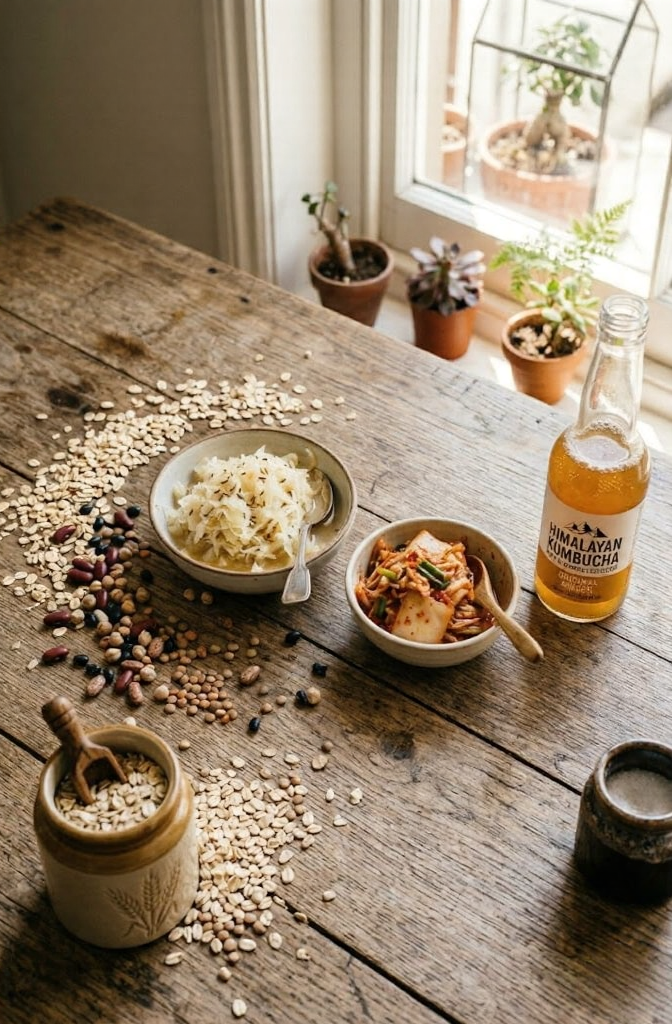
Add fruits (prunes are particularly helpful), vegetables, and whole grains a little at a time—an extra apple, serving of vegetables, or bowl of oats each day. If chewing is difficult, a fiber supplement such as psyllium can help, but check with a clinician first. Aim for about 20–30 grams of fiber per day.
2. Prioritize Hydration
Unless fluids are restricted, try for 6–8 glasses of water, herbal tea, or broth across the day. Pair drinks with meals—for example, one glass with each meal and snack. Warm liquids can sometimes stimulate the bowels.
3. Move Regularly
Even 10–15 minutes a day of walking, chair exercises, or gentle physiotherapy stretches can stimulate the gut. For those who are bedbound, simple leg lifts or ankle circles still help.
4. Create a Bathroom Routine
Use a regular window after meals—often breakfast—when the natural gastrocolic reflex is strongest. Sit unhurried for 10–15 minutes, and use a footstool to elevate the feet slightly and improve the angle of the rectum. Privacy and comfort are important; rushing often backfires.
5. Review Medications
Opioid pain medications are well-known causes of constipation, but other drugs such as some antidepressants, antihistamines, and antispasmodics can contribute. Ask your doctor or pharmacist to review your medication list and consider alternatives or bowel regimens when needed.
People often reach for over the counter laxatives such as senna or bisacodyl. Be aware that these products should only be used for a limited period of time, around 2 weeks. People can become dependent upon them to have a bowel movement.
When to Seek Urgent Care

Constipation is common, but certain warning signs need prompt medical attention. These include:
Sudden, significant change in bowel habits or stool shape
- Blood in the stool
- Unexplained weight loss, fevers, or night sweats
- Severe or worsening abdominal pain
- Mucus in the stool
- Vomiting
If any of these appear, seek urgent assessment rather than waiting for things to improve on their own.
Takeaway
Constipation is not an inevitable part of getting older. For many people, targeted changes in diet, fluids, movement, toilet habits, and medications can make a meaningful difference. Starting with one or two changes—such as more water and a brief daily walk—can be enough to begin improving comfort and confidence. Open, honest conversations with healthcare providers are essential; they can rule out serious causes and tailor a safe, effective plan. Doctor house calls make these conversations easier since patients are more relaxed in their own environment and more likely to open up about symptoms they might otherwise brush aside. Contact Beyond Neighbours if you or your family member would be interested in joining our house call clinic.