The Fall
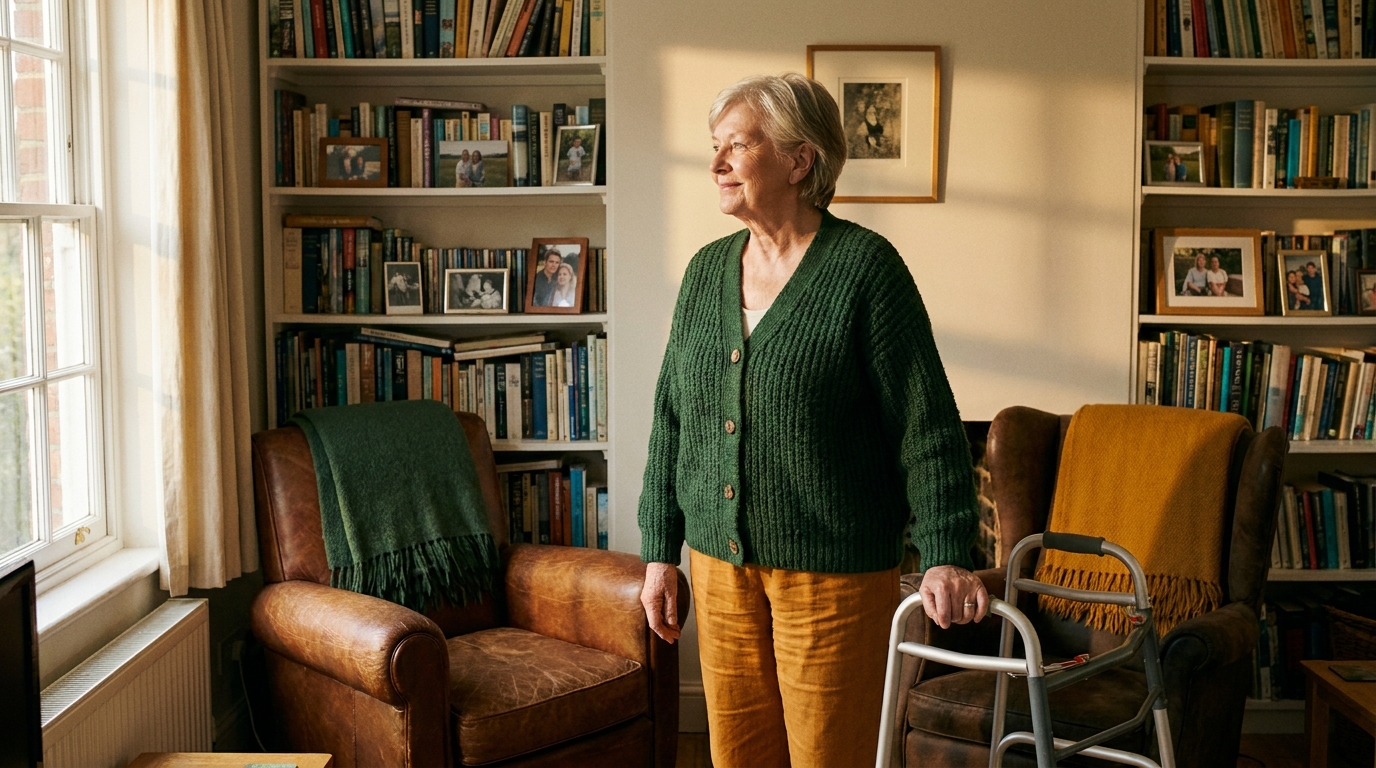
I ran across an 80 year old woman, let's call her Margaret, who has fallen at home. She lives with her son Michael who has been watching with increasing concern. This isn't the first fall, but this time she ended up in the hospital. This strikes fear into seniors who fear loss of their independence and dread into the children who do not want to have 'the talk' with mom.
Let's have a real conversation about falls. There are a lot of listicles already out there about how to prevent falls. This isn't one of those listicles. This is an example on how to approach falls and figure out what is best for you and your family.
If you have fallen more than once in the last six months, you are likely to encounter 'It's not safe at home'. What nobody tells you is that falling doesn't mean you're done. What happens after the fall matters more than the fall itself. People fall at home, at hospital, at assisted living facilities and nursing homes every day. The setting doesn't necessarily prevent falls; the process afterwards matters more.
Why You're Really Reading This: Fear and Dread
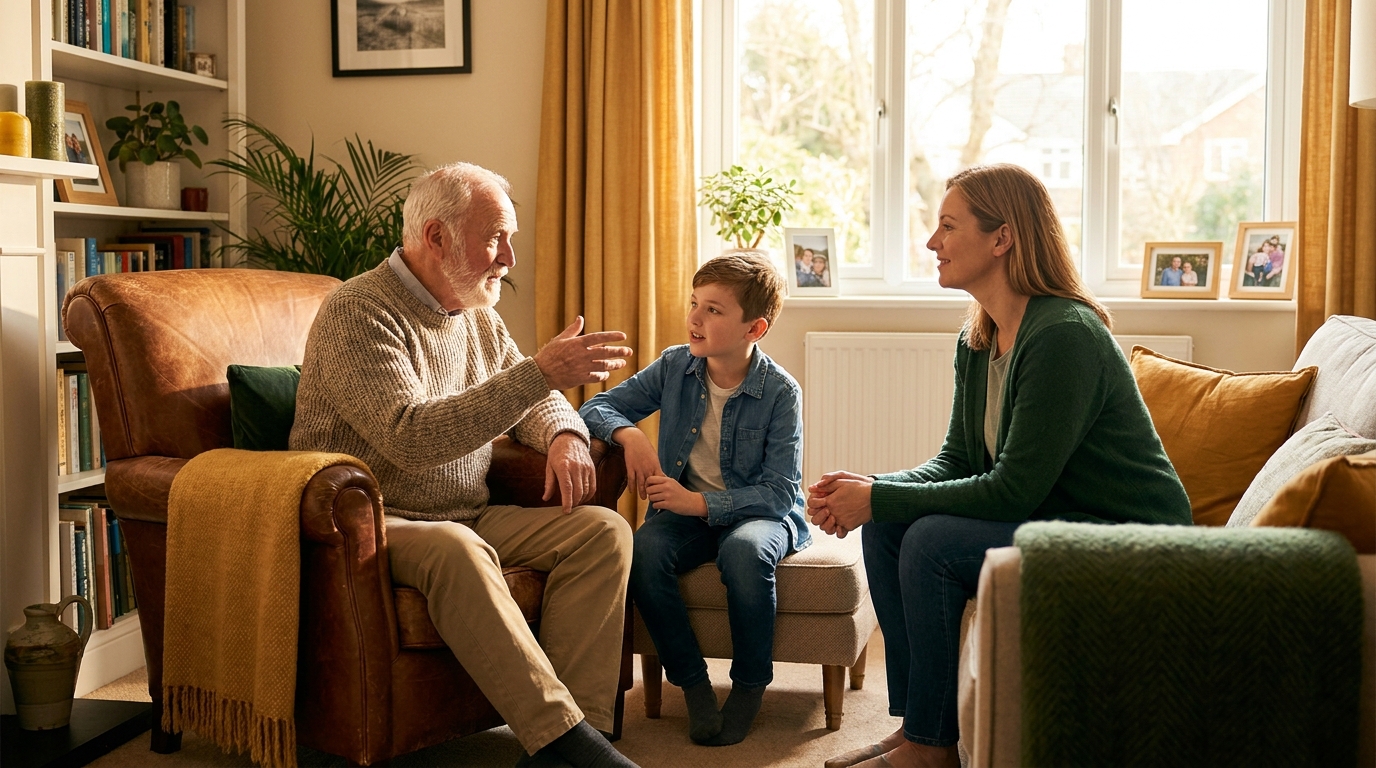
Margaret has come to the hospital 4 times over the past year. Every time she falls, what happens next is predictable. Her son starts researching 'assisted living' and her daughter-in-law says "you're not safe at home." So she doesn't tell them about all her other falls. She hides the bruises, stops going for walks because she fears falling again. Unfortunately, this time she has broken her arm. Now she is afraid she will have to move to a nursing home.
Michael, knows his mom has fallen more than 4 times over past year. He has installed cameras in the house and cringes at all the falls and close calls he has seen, but doesn't know what to do. He knows she's been more confused the last six months. What happens if I'm away on business? What if she doesn't get up? Every time his phone rings, he is afraid it's "the call." He has been thinking: Maybe she should move. Maybe it's safer. Maybe he is being selfish keeping her home.
Both of them are worried about the same things: independence, safety and control.
But they're having completely different conversations in their head.
And neither of you are wrong.
The Reality: Most Falls Don't Mean Moving
Most falls don't result in serious injury. And even when they do, most seniors can stay home with the right support.
The decision to move isn't automatic. It's based on specific factors:
- Can they get up after they fall?
- Is the home safe? Are there environmental risk factors?
- Is someone checking in?
- Are medical conditions underlying the falls?
- What is the plan if the fall results in serious injury?
- Can they get more day to day help if they need it?
That's it. Those are the questions.
Not "Did they fall?" but "Are they safe now?"
For Margaret, this means falling doesn't automatically mean you're moving. It means we need to figure out why you fell and what we can do about it.
For Michael, this means his mom might be fine at home. You just need to make sure they have the right support.
The fear is real. But it's not based on what actually happens.
The Breakdown
The fall itself matters less than what you do after. Answer the questions above:
- Can they get up after they fall? Do they have baseline strength and balance? Is there assistance available? Can they communicate that they need help?
- Is the home safe? Are there environmental risk factors? Do they have the right equipment? Are stairs a problem?
- Is someone checking in? Are there family around? Do they have home care? Can they call upon neighbors?
- Are medical conditions underlying the falls? Can medications be reviewed? Is there a medical condition causing the falls that can be treated?
- What is the plan if the fall results in serious injury? How will they be assessed? How quickly can they be seen? Do they even want to go to hospital anymore?
- Can they get more help? Can day to day help be increased? Are there extra care aids? Is there a way to transport people? Is physiotherapy available?
Here is where it gets interesting. Does the setting they are living in address these questions?
Living Independently: You will have to rely on yourself, your family as well as informal and formal caregivers.
Assisted Living: You will have some help (it will be highly variable from facility to facility). There will be a range of medical personnel available depending on the facility, anywhere from an LPN to a doctor. They may have a falls protocol to follow before sending to the emergency department. However these protocols often end with being sent to the ER anyways. Why? They're risk-averse and don't want to be liable.
Nursing Home/Long Term Care: There is more care available, but they still send you to the ER as well. But here's the question nobody asks: Why are you not "safe at home" in your own room in the facility? You have staff checking on you. You have meals delivered. You have emergency call buttons.
Challenge the assumption. Specifically ask: "What makes me unsafe here?" Is it the environment? Is it your medical condition?
If Margaret has to move to a facility and falls, why does she need to go to the ER every time? What's the specific risk? Can she be assessed at the facility? Do they have a protocol to deal with falls? Does it automatically end up being transferred to the emergency room? You need to advocate.
For Margaret: Don't assume that moving to a higher level of care is safer. Consider what specifically will be better there than where she is currently.
For Michael: Don't assume that moving your parent is better care. It depends on how many staff are available. Some times they may have more care available where they are. What specifically do they need to stay safe? But also realize how much of a toll that caregiving is taking. It's ok to be honest and recognize that family cannot provide all the care.
The answer is different for everyone. The setting doesn't always prevent falls. It changes what happens after. And what happens after determines whether you stay independent or lose it. The system is biased towards "more care is safer." Falls happen in all settings. Instead breakdown falling into the component risks.
The Conversation You Need to Have
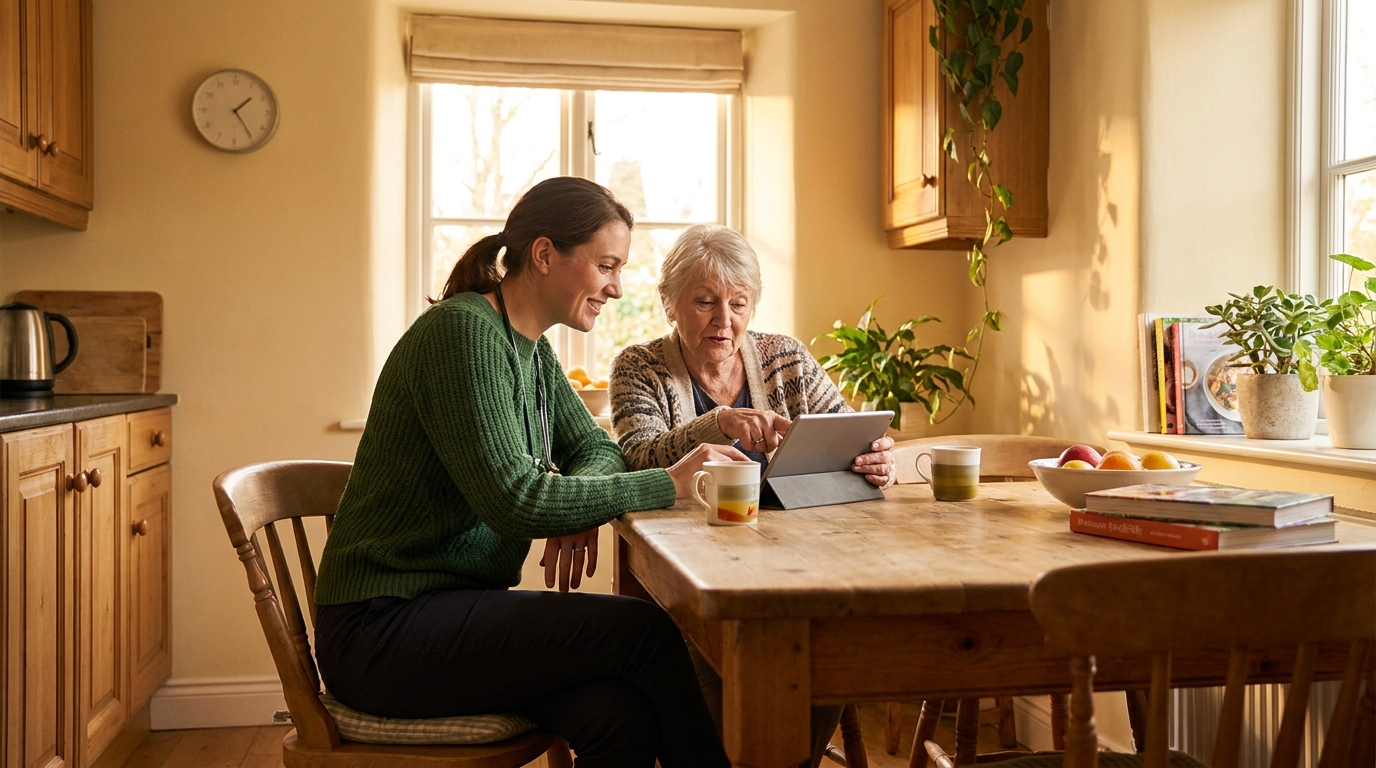
For Margaret: Falling doesn't mean she is a burden. Hiding the falls only leads to more concerns and missed opportunities to put in support. Ask for help before you need it. On this occasion we found out that she was actually having heart failure. With treatment, her confusion is improved and she is feeling stronger. She and Michael are looking into different living options and supports.
For Michael: He is relieved there is a plan in place. He can start putting concrete actions into place. He can start looking for facilities and know what to look for if things get worse. He doesn't have to rush into a decision because of an acute event.
The goal isn't to never fall. The goal is to fall and stay in place. The ER isn't always the answer.
Falls Happen
They don't have to mean losing your independence. What happens after the fall is key.
If your parent has fallen, or you're worried about falls, let's talk. We can't prevent every fall. But we can make sure a fall doesn't mean the end of living on your own terms. Beyond Neighbours provides physician house calls and can assess the situation at home to create a plan to keep you safe where you want to be.