It seems like summer is finally here after a very wet few months. Seniors have to be very conscious of getting enough fluids when it gets hot. Your body gets less sensitive to dehydration as you get older. By the time most people feel thirsty, they've already lost 1–2% of their body weight which translates to 3 to 6 cups of water in an adult female.
Research shows that some seniors over the age of 70 do not feel thirst at all. Instead, they may feel changes in:
- Thinking: brain fog or difficulty following conversation.
- Balance: dizziness when you stand.
- Fatigue: you sit down and you just don't want to get back up.
These symptoms get mistaken for cognitive decline, aging, or depression all the time. Families worry. Doctors order tests. Seniors get poked with needles. Dehydration is one of the most common reasons seniors end up in the emergency room and it is entirely preventable.
Your Medications Might Be Working Against You
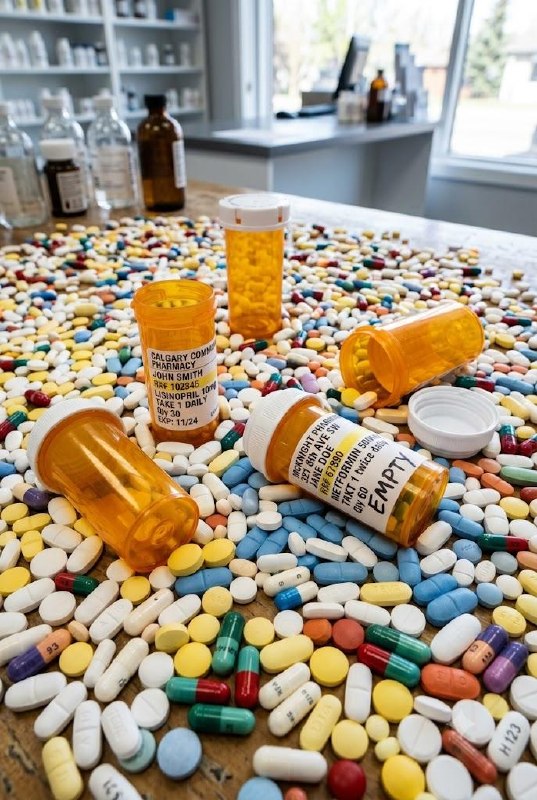
Many common medications cause fluid loss as a side effect. Antihypertensive, antidepressant and antidiabetic medications can quietly increase how much water your body loses throughout the day. The problem is that nobody sits you down after writing a prescription and says, "You'll need to drink more water now." It's not on the label. It's not part of the conversation. It's just one more thing that falls through the cracks.
And here's the tricky part: the symptoms of medication side effects—dizziness, dry mouth, fatigue—overlap with the symptoms of dehydration. So you might be dealing with two problems at once and downplaying the need for water.
The Domino You Don't See Coming
People always talk about how much the human body is made up of water. You need it everywhere. Regular fluids to keep your kidneys working to filter your blood, constant urine production to keep bacteria out of your bladder, to stop your brain cells from literally shrinking, your heart from working in overdrive and your bowels moving smoothly so your intestines don't explode.
Dehydration leads to a predictable chain reaction:
Blood pressure often drops leading to dizziness.
The dizziness leads to a fall.
The fall leads to a broken hip or an inability to walk.
The broken hip leads to the hospital.
And once you're in the hospital, everything changes. It is ironic that in the hospital you are supposed to get better but all too often you become weaker and more deconditioned leading to decreased mobility, independence and confidence. People start questioning whether you can return home. One event can reshape your entire life.
One could argue this is blatant catastrophizing, but unfortunately dehydration can be insidious and creeps up on many, even healthcare professionals. I will admit that it has escaped my notice on a few patients over the years, particularly if there are other fires grabbing your attention.
Small Fixes That Actually Work
The good news: this is one of the most fixable problems in senior health.
Start with convenience. Keep a bottle or a glass wherever you actually spend your time: your chair, your bedside table, next to the TV. Not in the kitchen. If you have to get up to drink, you won't.
Eat your water. Soups, watermelon, cucumbers, oranges, yogurt are examples of foods with high water content. If plain water doesn't appeal to them, that's fine. There are other ways. Tea and other beverages they might enjoy will make it easier to motivate them.

Set a simple routine and make it a habit that you link with an activity. A glass with each meal. A glass with your medications. A glass before bed. You don't need to count ounces, you just need it to become automatic.
Final Drops
There are some instances where you can have too much water. However, speak with your doctor or healthcare provider if they have discussed heart failure or low sodium levels in the past. Talk with them to find out the right balance. Even with water, there is no one size fits all solution for every senior.
However it is important to recognize that when the temperature is rising, it is important to maintain hydration and when the body is screaming thirst, you are already a few cups behind.